
Introduction: A Costly Mistake in South African Property Investment
Property is widely considered one of the safest and most profitable investments in South Africa. Many South Africans dream of investing their hard-earned savings or retirement funds into property development. But without understanding the town planning process, even the best intentions can lead to devastating financial loss.
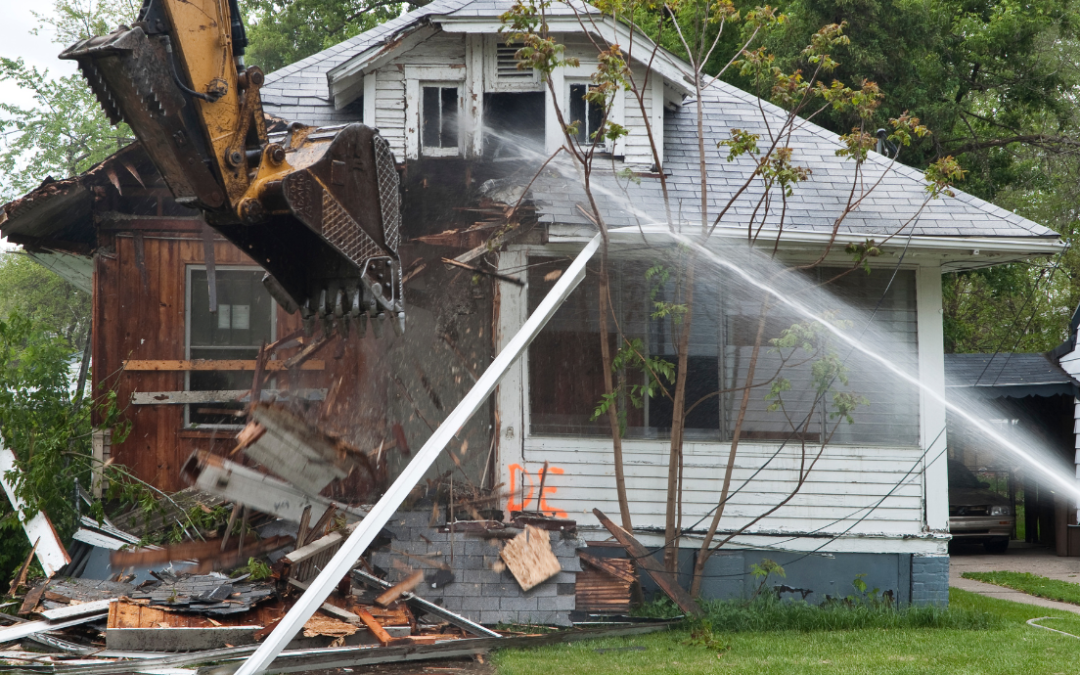
Recently, a retired policeman from Johannesburg found this out the hard way. Hoping to secure his retirement, he used his pension to build 20 bachelor flats on his own property. Unfortunately, he bypassed critical town planning procedures. As a result, the city took him to court—and the High Court ordered the entire development demolished.
This story is not just a tragedy for one man but a cautionary tale for every South African property investor.
What is Town Planning and Why Does It Matter?
Town planning ensures that land use is organised, sustainable, and aligned with a city or municipality’s development framework. It controls:
- Density (how many units you can build)
- Land use (residential, commercial, industrial, etc.)
- Compatibility with surrounding properties
- Impact on services like water, sewage, roads, and electricity
For example, building a high-density block of flats in a low-density residential area without approval disrupts the community and strains infrastructure.
The Ex-Policeman’s Mistake: Where Did It All Go Wrong?
The ex-officer’s fatal mistake wasn’t building flats—it was building without proper approvals. Here’s where he went wrong:
- No Consultation: He failed to consult the municipality or a qualified town planner.
- Ignoring Zoning Laws: His land was likely zoned Residential 1—permitting only a single home, not 20 flats.
- No Rezoning Application: To build flats, he needed to apply for Residential 2 or 3 zoning.
- No Public Participation: Neighbours were not informed. One of them reported him, triggering the legal action.
- No Infrastructure Assessment: Building additional units without checking service capacity (sewage, water, power) can collapse infrastructure.
Outcome: The court ordered the entire structure demolished—turning his retirement dream into a financial nightmare.
The Correct Process: How to Protect Your Investment
Here’s how every South African investor can avoid the same mistake:
1. Consult a Town Planner Early
Before buying land or planning a development, engage a professional town planner. They will:
- Review the zoning
- Assess development potential
- Guide you through the process
- Handle municipal negotiations
2. Understand Permissible vs. Non-Permissible Uses
- Permissible Use: Allowed immediately by zoning laws.
- Non-Permissible Use: Requires rezoning or consent use applications.
Example: Building a single house is permissible in Residential 1 zoning. Flats require rezoning.
3. Submit a Formal Rezoning Application
The application includes:
- Detailed development plans
- Impact assessments (traffic, environmental, heritage)
- Layout designs
- Fees for municipal processing
4. Public Participation
South African law mandates informing the public:
- Newspaper notices
- On-site signage
- Registered letters to neighbours
Neighbours have the right to object—this process is critical.
5. Municipal Department Reviews
Your application goes through multiple departments:
- Water & Sanitation
- Electricity
- Roads & Stormwater
- Town Planning Committee
Each ensures the area can handle the development without service failures.
6. Final Approval
Once approved, you receive formal zoning rights. Only then can construction begin.
What Happens if You Skip These Steps?
Failure to comply with South Africa’s property development laws can lead to:
- Legal action
- Court orders to stop work or demolish structures
- Loss of investment
- Damage to your reputation as a developer
Even ignorance of the law won’t save you. “I didn’t know” is not a defence in court.
Why Town Planners are Critical to Your Success
Town planners are not just paperwork handlers—they are your project managers, legal shields, and compliance experts. They: ✅ Prevent costly legal mistakes
✅ Ensure projects align with city development plans
✅ Manage public participation
✅ Liaise with government departments
✅ Protect your investment
South African Property Development Tips
- Always read your title deed and understand your land’s current rights.
- Factor town planning costs (R80k – R250k) into your budget.
- Allow 6 to 18 months for full approval—town planning is not an overnight process.
- If neighbours object, address concerns early to prevent escalation.
Final Thoughts: Protect Your Investment and Build Right
The lesson is clear: Building without town planning approval is gambling with your financial future. South Africa’s property laws exist to protect both the investor and the community. Doing things right may take longer—but it guarantees your development will stand the test of time.
Whether you’re building a block of flats, student accommodation, or commercial spaces, your first call should be to a qualified town planner. Don’t let your investment become another demolition headline.